Qualified Roofer for Excellent Roof Solutions
Engaging a skilled roofing contractor is a smart choice for property owners looking for high-quality roof work. These specialists not only guarantee compliance with regional construction regulations but also deliver access to premium materials. Their ability to detect and resolve potential issues early can save considerable time and financial resources. Understanding the various roofing options on the market and the advantages they offer can optimize this undertaking. What considerations should property owners consider when choosing the right professional for their needs?
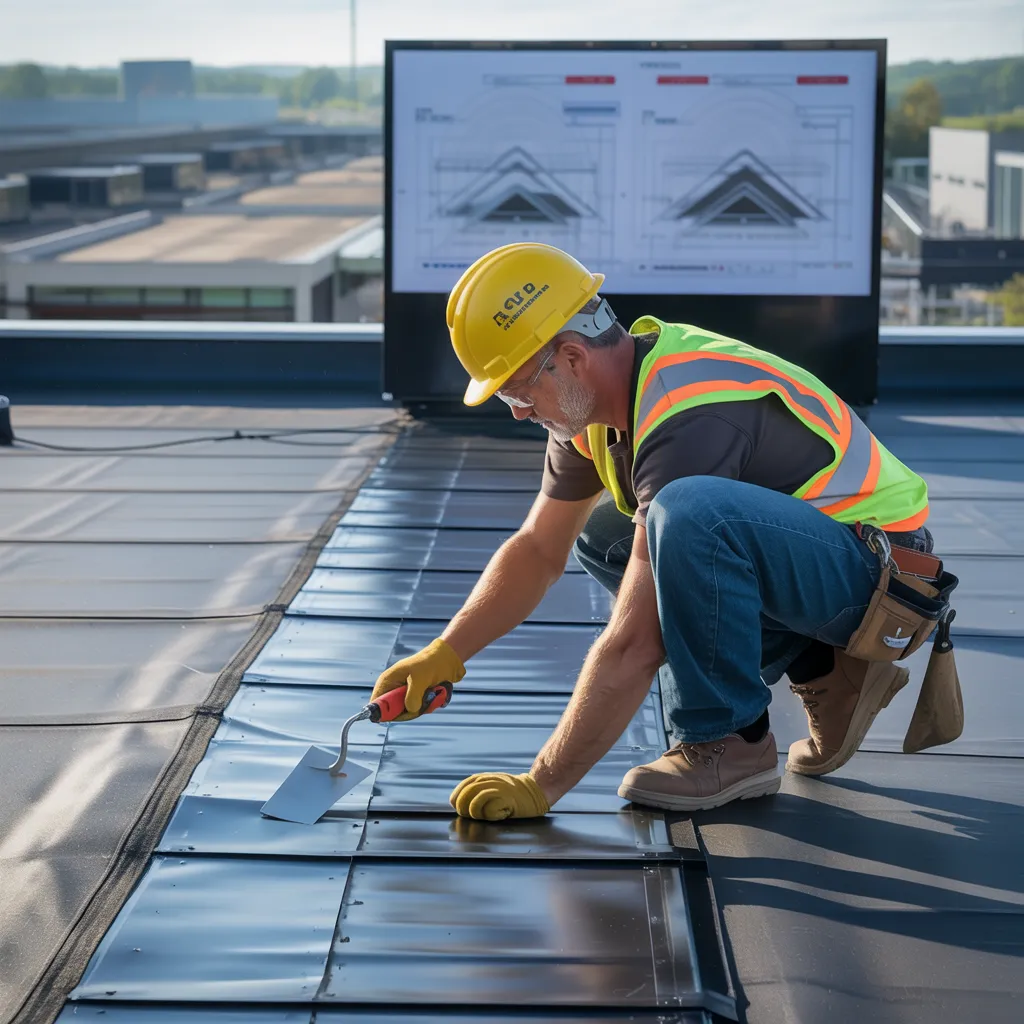
Why Employing a Professional Roofer Is Important
When deliberating a roof installation, hiring a experienced roof contractor assures both quality and safety. Skilled roofing professionals maintain the necessary expertise and proficiency to address diverse roof issues effectively. Their background allows them to recognize possible complications before they escalate, ensuring enduring structural integrity. Additionally, they are proficient in municipal construction codes and policies, which decreases the risk of legal complications.
Also, professional roof technicians have the availability of superior supplies that may not be available to the typical homeowner, boosting the overall effectiveness of the roof structure. They also deliver warranties that can offer peace of mind, safeguarding the financial stake made in the roof work. Crucially, safety is essential; experienced roof technicians are supplied with the appropriate equipment and safety gear to perform their work without risking injury. To wrap up, retaining a professional roofer is a prudent selection for achieving a reliable and safe roof answer.
A Complete Guide to Popular Roofing Materials and Their Advantages
Many roofing materials are obtainable, each offering distinct benefits tailored for various needs and tastes. Asphalt shingles are among the most widely used due to their affordability, ease of installation, and range of colors. Metal roofing, recognized for its strength and protection from extreme weather, also bounces back heat, making it fuel-efficient. Slate tiles provide a classic aesthetic and exceptional longevity, while clay tiles offer superior insulation and can withstand harsh climates.
For people looking for eco-friendly choices, rubber roof materials is becoming increasingly popular; it mimics the appearance of more expensive materials and is constructed with recycled products. Wooden shakes offer a natural, traditional appearance but demand additional upkeep. Ultimately, artificial roof options merge the finest qualities of conventional materials, providing flexibility and resilience. Each material offers unique benefits, rendering it crucial for homeowners to evaluate their priorities and speak with professionals when choosing the optimal roof option.
Regular Roofing Issues and In What Ways Professionals Fix Them
Typical roofing complications, such as water intrusion and water damage, can cause considerable structural problems if not addressed promptly. Additionally, missing or damaged shingles compromise the roof's integrity and put the home to added threats. Professionals execute various techniques to discover and correct these matters, delivering sustained protection and mental ease for homeowners.
Leaks and Water Damage
Leaks and water damage create considerable hurdles for homeowners, frequently resulting in expensive repairs and foundational problems. These troubles usually come from a wide range of sources, including degraded substances, faulty installation, or even harsh climate conditions. Water penetration can impair insulation, enable mold development, and compromise structural soundness. Expert roofers apply cutting-edge techniques to discover and remedy leaks with efficiency. They execute detailed inspections to identify problem areas, utilizing tools such as moisture meters and infrared cameras. Once detected, they execute customized remedies, which may include sealing, flashing replacement, or, in severe cases, partial roof replacement. By handling water intrusion in a quick fashion, professionals back property owners minimize damage, guaranteeing enduring security and peace of mind.
Missing or Compromised Shingles
Roofing problems often manifest through absent or deteriorated shingles, which can compromise a home's protective barrier. These defects expose the foundational framework to elements, possibly causing leaks and further deterioration. Professionals generally conduct thorough inspections to determine the severity of the problem. They may recommend substituting single shingles or whole areas, depending on the intensity. Using high-quality materials, experienced roofers guarantee correct setup to avoid subsequent problems. Additionally, they evaluate the roof's general state to tackle any underlying problems, such as inadequate airflow or structural deficiencies. Regular maintenance and timely repairs are crucial for maintaining a roof's structural soundness, ultimately protecting the home against water intrusion and other natural dangers.
Considering the Optimal Roof Choice for Your Home
When deciding on the top roofing solution for a home, it is important to evaluate individual roofing requirements initially. Understanding the selection of material options available and their individual prices can greatly affect the selection process. Financial planning also serve an important function in ensuring that the selected option meets both aesthetic and functional requirements.
Reviewing Your Roofing Necessities
What is the best way to select the most ideal roofing solution for your home? Evaluating roofing requirements starts by reviewing the home’s structure and the surrounding climate. Homeowners should take into account aspects including energy efficiency, durability, and maintenance needs. A thorough inspection of the existing roof can identify potential problems that could influence the choice of materials. Furthermore, budget constraints play a crucial role; understanding the long-term financial impact versus the initial outlay is critical. Consulting with a professional roofer can provide key recommendations and guidance tailored to particular circumstances. Ultimately, the choice should balance visual choices with practical requirements, making certain the selected roofing option enhances the home’s value while offering long-term defense.
Material Choices Summary
Identifying the suitable roofing materials is a key element in the entire roofing process. Homeowners need to weigh numerous alternatives, each presenting distinct benefits and drawbacks. Asphalt shingles are preferred for their affordability and simple installation, while metal roofing supplies resilience and energy conservation. Clay and concrete tiles present a attractive, permanent choice, well-suited for warm climates. Wood shakes showcase a classic appearance but demand greater care requirements. Synthetic materials, like rubber or plastic, echo conventional styles while ensuring improved longevity. Moreover, environmental responsibility may push some homeowners to examine sustainable solutions including green roofs or reused content. At the end of the day, picking the most suitable roofing material comes down to the home's design, climate, and individual preferences.
Budget Factors Clarified
Budgeting for a roofing project usually requires detailed evaluation of several factors to make certain homeowners pick the most appropriate option for their needs. First, material selection has a strong influence on both upfront expenses and long-term durability. Asphalt shingles may be affordable, while metal or tile options might offer greater longevity but at a premium cost. Additionally, labor costs can fluctuate based on the roofing contractor’s expertise and the project’s complexity. Homeowners should also factor in potential hidden expenses, such as the need for structural repairs or permits. Finally, considering long-term savings through energy efficiency and warranties will help in choosing wisely that balances upfront investment with future benefits.
A Overview to What Happens During the Roofing Installation
Becoming familiar with the roof installation process can greatly enhance a property owner's satisfaction throughout a roofing project. Initially, homeowners should anticipate a detailed inspection of the current roof structure to establish its overall state and the necessary repairs or replacements. Following the inspection, a detailed estimate will outline the extent of services, materials, and timeline.
When the project commences, homeowners can anticipate evidence an organized arrangement with safety precautions in place to preserve their property. The roofing crew will remove old materials, inspect the underlying structure, and install new roofing systems according to industry standards. Regular communication is paramount, as homeowners should expect progress reports on advancement and any unforeseen issues.
In the final stage, the project concludes with a thorough inspection to verify quality and adherence with specifications. Homeowners should additionally get care tips to prolong the life of their fresh roof, stressing the importance of grasping the full roof workflow.
Why Periodic Roof Inspections Are Essential
Although many homeowners may fail to address roof maintenance, routine check-ups are vital for maintaining the integrity and lifespan of a roof. These inspections help identify minor problems before they worsen into expensive repairs. By recognizing issues like leaks, loose shingles, or moss growth early on, homeowners can save both time and money.
Additionally, periodic check-ups verify that the roof complies with local building codes and regulations, which can avert future problems during property transactions. Seasonal changes can damage roofing materials, making it vital to observe wear and tear.
Additionally, a carefully maintained roof enhances the overall aesthetic appeal of a home and boosts its market value. Undertaking routine inspections not only bolsters the structural soundness of the property but also affords mental ease for homeowners. Ultimately, prioritizing roof check-ups is a active strategy to home maintenance that pays dividends in the long run.
Finding and Recruiting a Qualified Roofer in Your Area
Once recognizing the necessity of consistent roof inspections, homeowners regularly seek trained experts for care and renovation. Finding a reputable roofing specialist in their area can be intimidating; however, a few key strategies can facilitate the process.
To start, homeowners should obtain referrals from friends, family, or neighbors who have recently had roof repairs done. Internet feedback and scores on services such as Google and Yelp can also supply helpful information into a roofer's reputation.
Once a list of potential candidates is compiled, property owners should validate qualifications, including certifications and coverage. Obtaining multiple quotes allows them to compare prices and services offered.
Furthermore, asking about warranties and guarantees can help ensure durable outcomes. By adhering to these guidelines, property owners can confidently engage a professional roofer who satisfies their specific needs, guaranteeing their roofs stay in peak condition for years to come.
Common Asked Questions
What Qualifications Should I Seek in a Skilled Roofer?
When searching for a skilled roofing contractor, one should prioritize credentials such as appropriate permits, adequate insurance, extensive experience, favorable client feedback, and adherence to industry standards. These factors ensure dependable craftsmanship and protection against potential liabilities.
What represents the Timeline for a Common Roofing Project to Be Completed?
A typical roof work usually takes between one to three days, depending on the size and difficulty of the roof, weather patterns, and the team's effectiveness. Bigger or more involved roofs may need additional time.
Is It Feasible to Move Roofing Warranties if I Put on the Market My Home?
Roofing warranties are frequently movable, but certain conditions must be met. Residents should check the guarantee materials for particulars on transferability, as some manufacturers need communication and may have time constraints for the transfer process.
What can I Do if I Suspect Roof Injury After a Storm?
If roof damage is suspected after a storm, the property owner should examine the roof for visible issues, document any harm, and contact a expert for an assessment to identify necessary repairs and avoid further issues.
What Steps Should I Adopt to Preserve My Roof Between Specialist Assessments?
Regularly inspect the roof for debris, check for deteriorated shingles, and clear gutters to avoid water buildup. Address small issues promptly and watch for signs of leaks or wear between professional inspections.